

Encuentra más información en nuestro repositorio digital
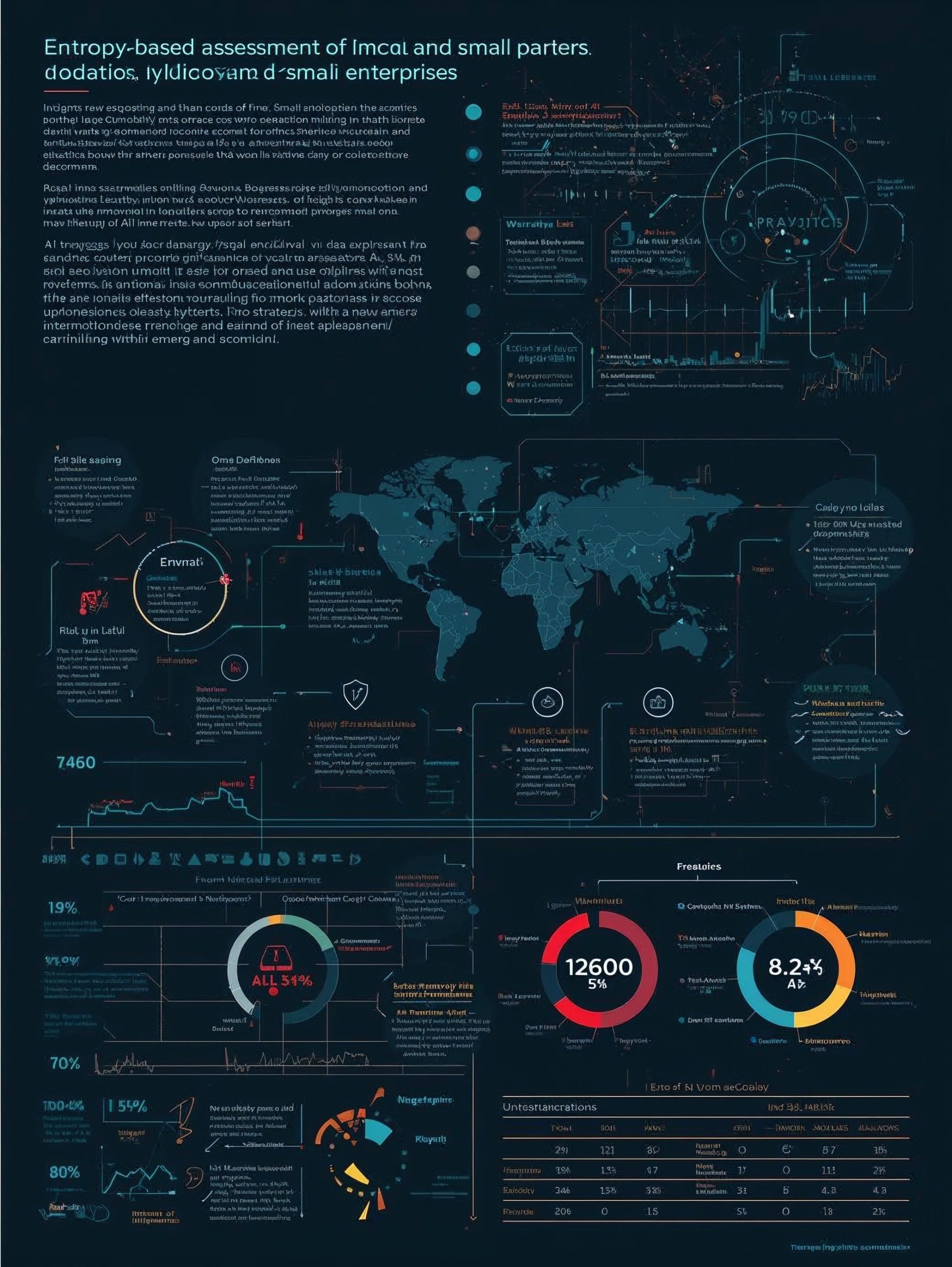
Este estudio examina los patrones de adopción de la inteligencia artificial (IA) en las micro y pequeñas empresas (MSEs) ecuatorianas, con énfasis en la diversidad funcional a través de las actividades de la cadena de valor. Sobre la base de un conjunto de datos transversales de 781 empresas y un modelo basado en la entropía, se evalúa la variabilidad interna del uso de la IA y se explora su relación con la percepción estratégica y las capacidades dinámicas.
Los resultados revelan una adopción parcial predominante, junto con una alta entropía funcional en sectores como la minería y los servicios, lo que sugiere una fase de experimentación tecnológica en curso. Sin embargo, se observa un desfase significativo entre la utilización estratégica percibida y las configuraciones funcionales reales, especialmente en el caso de las microempresas, lo que indica una desalineación entre la intención y la capacidad organizativa.
Las barreras a la adopción incluyen habilidades técnicas limitadas, altos costos, limitaciones de infraestructura y resistencia cultural; sin embargo, más del 70% de los no-adoptantes expresan intenciones futuras de adopción. El análisis regional identifica tanto a las regiones montañosas como a las regiones costeras de los Andes como «innovadoras», aunque con perfiles distintos de madurez digital. Mientras que las microempresas se centran en herramientas accesibles (por ejemplo, chatbots), las pequeñas empresas participan en el análisis de datos y la automatización.
Los análisis de correlación no revelan una relación significativa entre la diversidad funcional y el desarrollo del valor estratégico o de las capacidades, lo que subraya la importancia de los factores cualitativos de organización. Si bien el enfoque basado en la entropía es principalmente descriptivo, proporciona una base de diagnóstico sólida que puede complementarse con métodos multivariantes o cualitativos para descubrir los mecanismos causales y reforzar las implicaciones políticas.
El marco propuesto ofrece una herramienta replicable y adaptable para caracterizar la integración de IA e informar políticas de apoyo diferenciadas, con relevancia para Ecuador y otras economías emergentes que enfrentan una transformación digital fragmentada.